Mackenzie VCE Theatre Studies

Practitioners use elements of theatre composition to organise components of a theatre production to create a deliberate effect, realising their aims and intentions and those of the creative production team.

The Study Design for VCE Theatre Studies explains that the elements of theatre composition can be used to give structure to the interpretation or the way it is presented on stage in performance to an audience. These elements can also be used to encourage or lead the audience to engage in the work. They can be applied individually or in combination, in any theatre style, used within any production role and at any stage of the production process.

Take a look at the Mackenzie Online Resources for more detailed information about the play. 

COHESION

The unity and balance of various aspects of the interpretation.

Yve Blake's Mackenzie is built around the question, "What if Macbeth was a13-year-old child star?" Shakespeare's Macbeth explores the corrupting influence of ambition, and the guilt that follows. Yve Blake's adaptation relocates these ideas to the world of early 2000s children's television, an era defined by chart-topping pop stars, youthful celebrities, and the relentless pursuit of fame. Despite this dramatic shift in setting, the production maintains a strong sense of cohesion, with every theatrical choice contributing to a unified, and thoroughly contemporary, interpretation of Macbeth.

Mackenzie is a play that operates cohesively with Shakespeare's original play, with scenes, characters and plot points operating as mirrors or reinventions of Macbeth. In this way, we can map Shakespeare's play alongside Blake's new work.

The production's cohesion is established through the integration of contemporary theatrical conventions. Pop music, stylised choreography, heightened characterisation and recurring diegetic sounds, such as the heartbeat and ticking clock, combine to create a theatrical language that reflects both the glamour and psychological pressure of celebrity culture. Inspired by the aesthetics of shows such as Hannah Montana, High School Musical and Camp Rock, the movement vocabulary reinforces the heightened reality of the production, ensuring that design, sound, movement, and performance work together to communicate a singular artistic vision. 

This cohesion extends to characterisation. Macbeth is reimagined as Mackenzie, who is first introduced to the audience as Bertha Bumface, a minor character on The Dahlia Show. This mirrors Macbeth's original lower rank of the Thane of Glamis. Mackenzie's promotions to greater roles within her TV career, match Macbeth's rise in rank and power. It follows that Lady Macbeth is mirrored by Ruth, Mackenzie's mother. Banquo is mirrored by Beau, Mackenzie's friend and love interest. Dahlia, the star of the TV show Mackenzie performs in, is a mirror of King Duncan, and so on. By preserving Shakespeare's characters within a contemporary context, the production creates a cohesive bridge between the original text and its modern adaptation.

MOTION

The movement or implied movement of actors and design features in the theatre space. This may include position, pattern, arrangement, proportion and spatial flow.

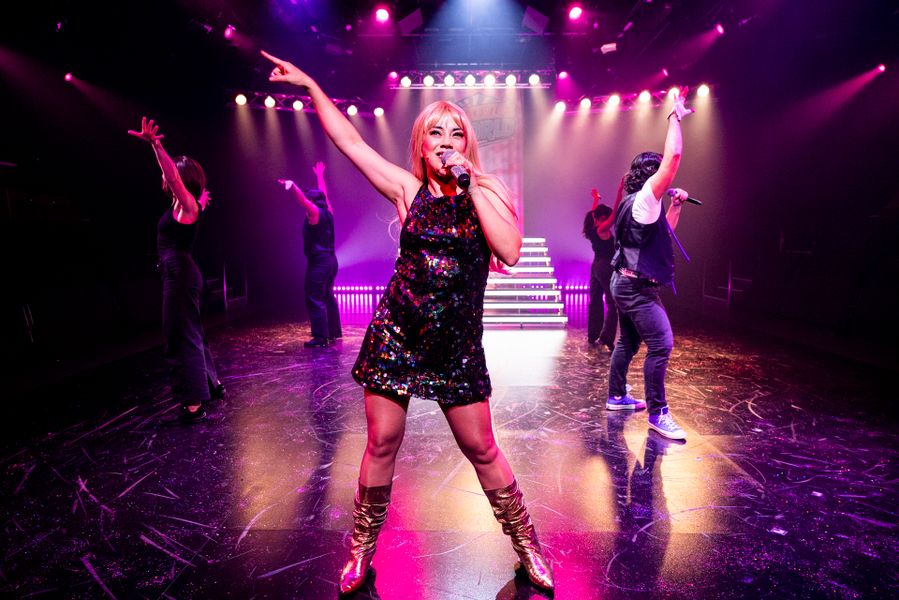
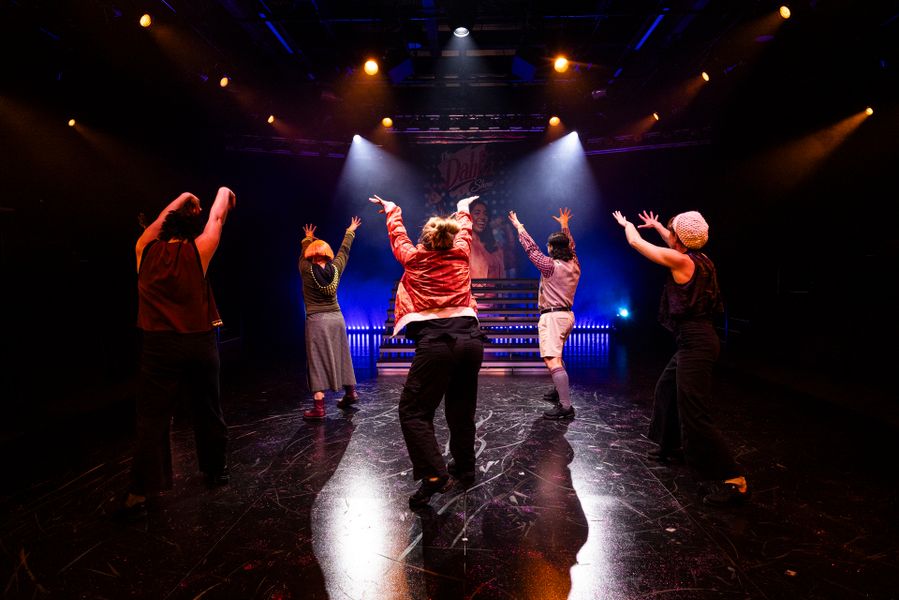
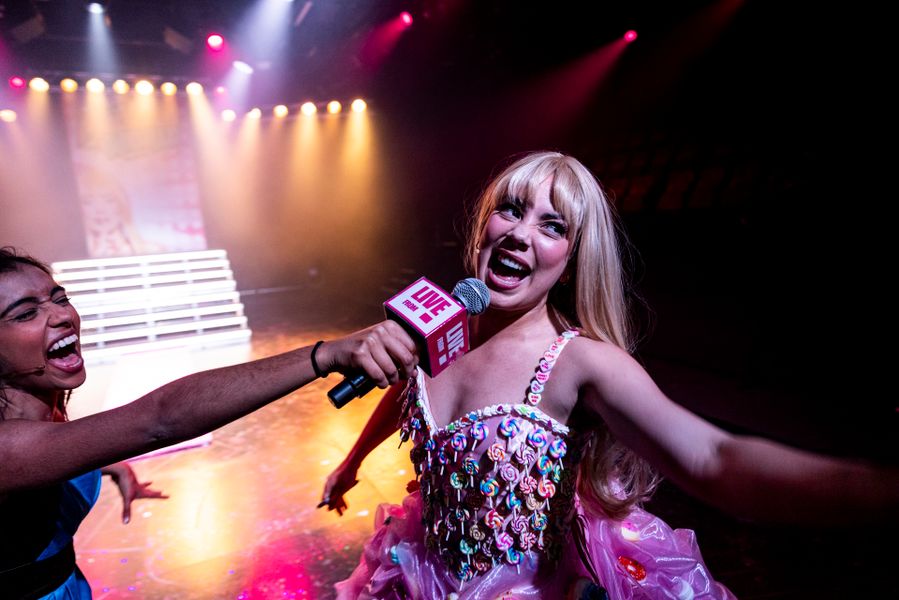
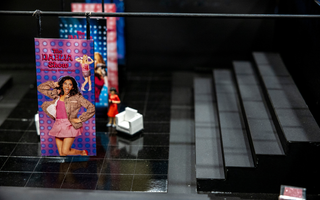
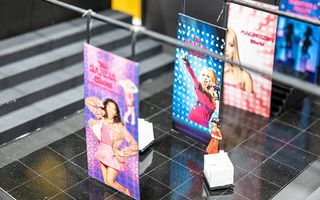
One of the most impactful visual elements of Mackenzie is the ensemble work within the dance and choreographed movement sequences. Set within the world of The Dahlia Show, the musical numbers are performed either directly towards the kabuki drop (banners) or directed towards the in-studio audience, represented by the actual theatre audience. Songs are carefully integrated to advance the narrative and create the pop-infused world. As Mackenzie matures throughout the production, the evolution of the song styles, lyrics and choreography reflects her changing identity.

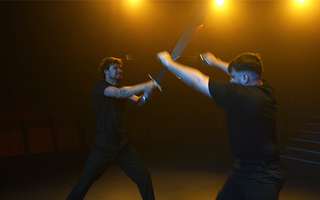
At the commencement of the show, characters enter the stage in a group with a coordinated, marching motion. This sequence evokes the feeling and movements of an army, progressing towards the battlefield. Lights and sound then shift to show the same group in a dance rehearsal with plastered smiles on their faces, despite being berated by a rude choreographer. We therefore see a direct comparison of a battlefield to a competitive dance rehearsal, both with high stakes and tension.

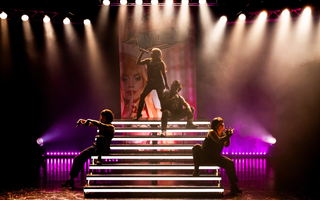
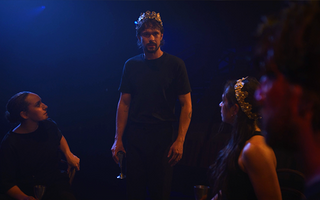
Stylised movement is used throughout the production to symbolise Mackenzie's psychological transformation. The ensemble, dressed in black hoodies, functions as a collective physical representation of her thoughts, conscience and internal conflict. Two particularly poignant dreamscape sequences illustrate this technique.

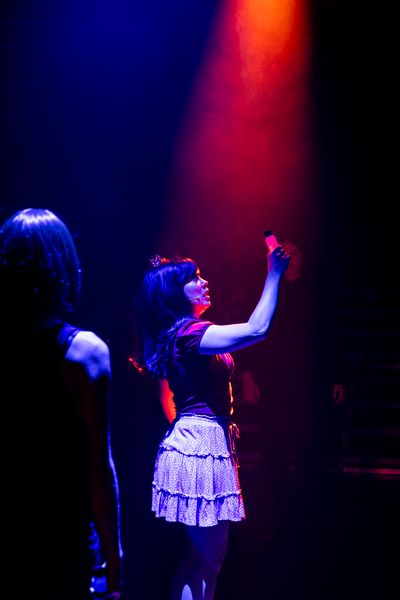
The first occurs immediately before Mackenzie swaps the makeup remover bottle. Under black (UVA) light, the ensemble presents the neon-lit bottles in a canon movement sequence, repeatedly pulling the bottles just out of Mackenzie's reach. This stylised choreography directly parallels Macbeth's "Is this a dagger which I see before me?" soliloquy, symbolising temptation, fate and an internal struggle. As the sequence concludes, the three ensemble members perform a unified "shhh" gesture, and exit the stage in unison, reinforcing the dreamlike atmosphere and Mackenzie's growing isolation.

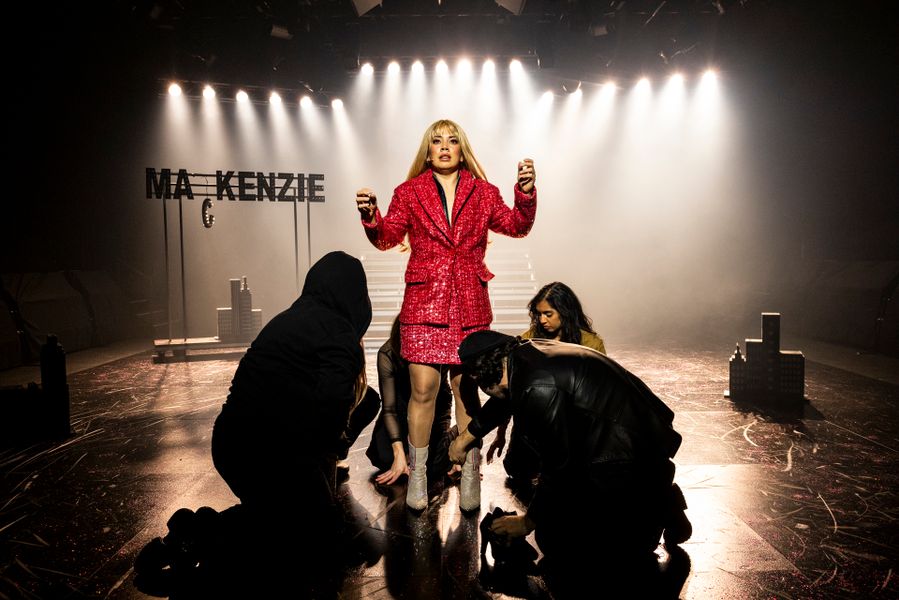
The second dreamscape occurs in one of the final scenes of the play as the ensemble dresses Mackenzie for the Teen Choice Awards. Through fluid choreography, they physically push and pull her into her glamorous red-carpet costume, emphasising her loss of agency as her celebrity persona has overtaken her identity. 

RHYTHM

The pace, timing and tempo within the interpretation.

Rhythm plays a significant role in this production by linking sound, movement and storytelling. The play spans five years, charting Mackenzie's transformation from an innocent teenager to a disillusioned yet still determined young adult popstar. Throughout the production, rhythm reflects this journey by shifting from energetic and playful, to tense and emotionally restrained, reinforcing that youth is the currency of the entertainment industry. The use of strobe lights, the sound of a ticking clock and heartbeat, and a backing track creates the mood and atmosphere of the pop world.

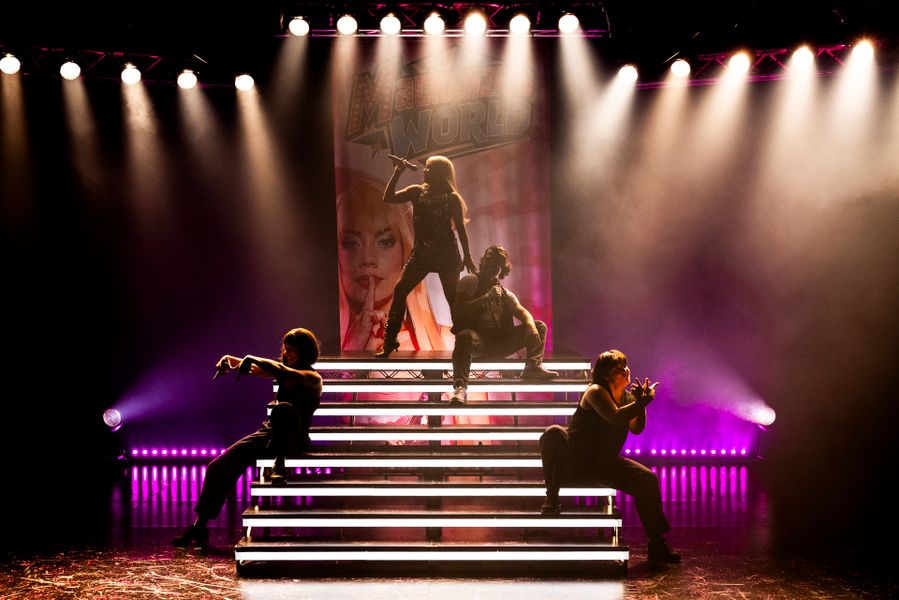
In the opening stages of her career, Mackenzie's world is presented through the bright, playful and upbeat song Mackenzie's World, accompanied by simple, synchronised choreography performed with her on-screen partner, Beau. The lively pace and repetitive movements communicate innocence, joy and youthful optimism, reflecting the excitement of childhood television.

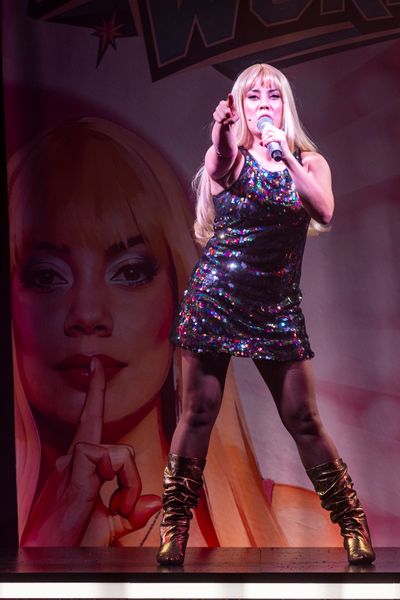
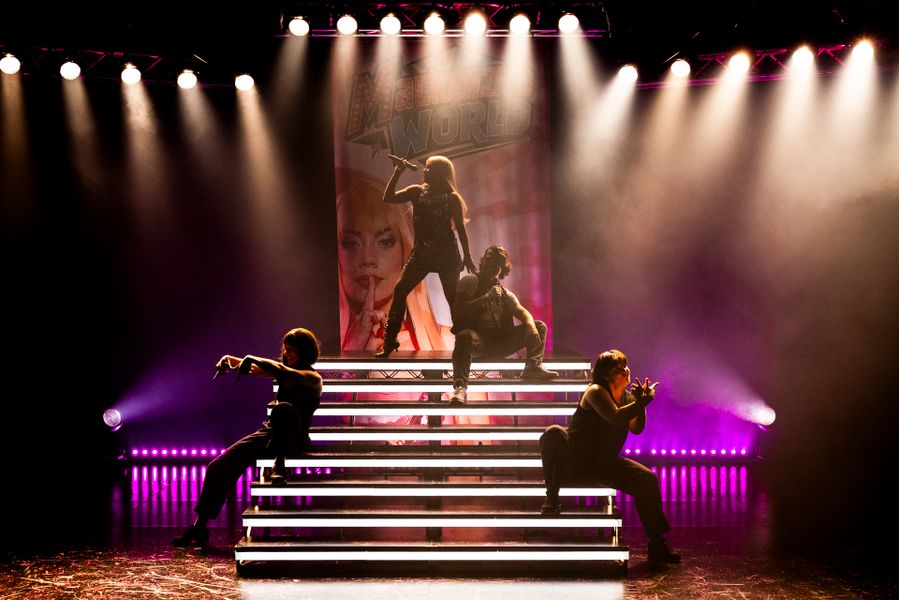
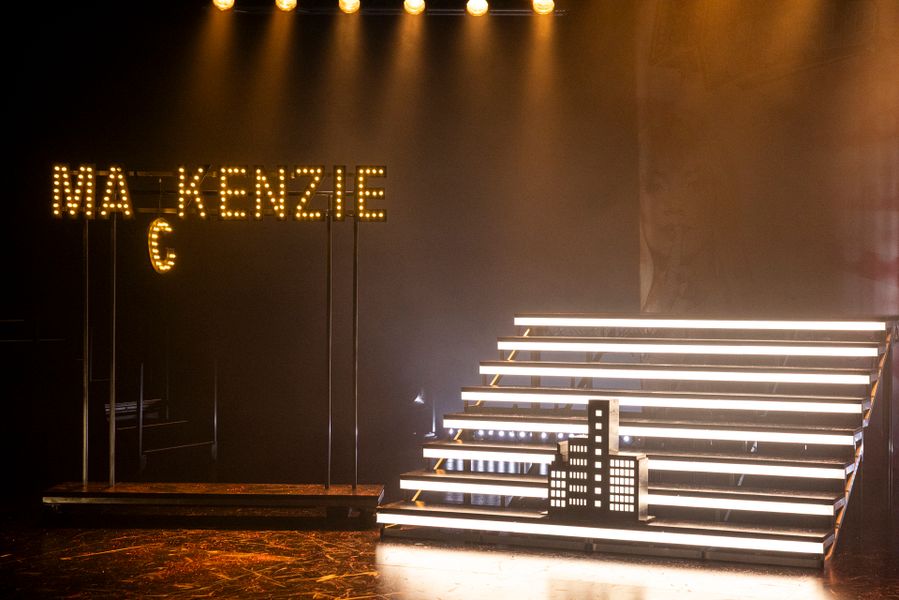
As Mackenzie grows older, the rhythm becomes more complex and emotionally charged. She adopts the persona of ‘Tigress’ in the song ‘See You Later’, whose performance embodies strength, confidence and a growing sense of power. During this musical number, Mackenzie performs in the television studio at the top of the staircase while, through split staging, the ensemble simultaneously performs a stylised movement sequence depicting Gayle's demise. The contrasting rhythms between Mackenzie's confident but sinister performance and the ensemble's choreography, create dramatic tension. This mirrors Macbeth's psychological separation from the murders of Banquo and Macduff, as both characters distance themselves from the destruction they have set in motion in their pursuit of power.

The final performance, City Girl, completes Mackenzie's transformation into adulthood. The seductive choreography, promiscuous costume and provocative song lyrics reflect the realities of teenage stardom, where young performers are pressured to reinvent themselves to remain relevant. The slower, more deliberate rhythm of her performance contrasts sharply with the carefree, innocent energy of Mackenzie's World, highlighting the loss of innocence and the emotional cost of fame.

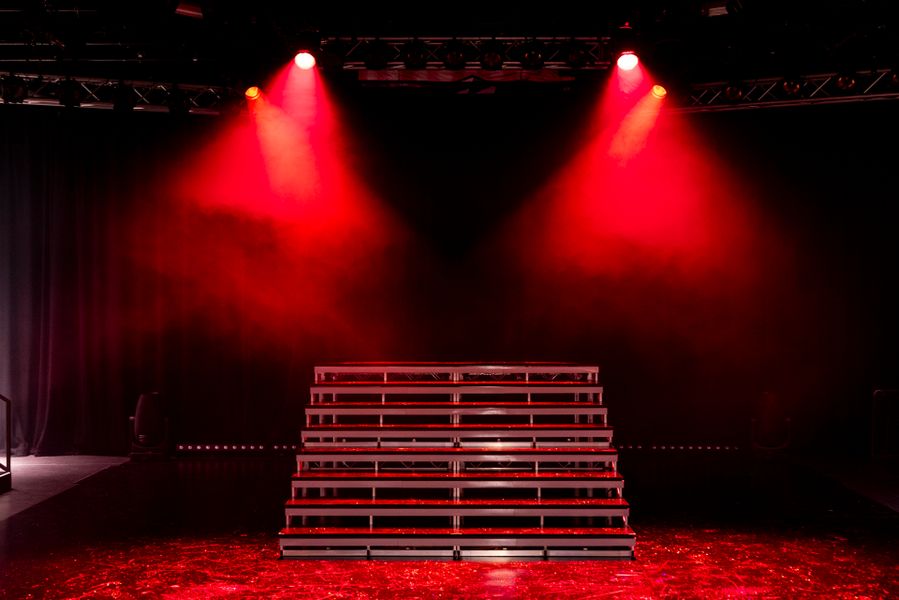
Throughout the production, overlapping scenes and super-swift costume changes create a continuous sense of motion, and maintain the fast-paced rhythm of the narrative. The intimate staging places actors throughout the performance space, with scenes unfolding across staircases, platforms and the central performance area. This constant movement immerses the audience in the action, reinforcing the experience of watching a live television production while reflecting the relentless pace of Mackenzie's rise to fame and eventual downfall.

As a point of contrast, when Mackenzie and Beau share an intimate scene before she ultimately betrays him, the rhythm of the performance slows dramatically. The pair gently spin while slowly embracing, creating a prolonged moment of stillness that contrasts with the rapid pace of the surrounding scenes. This deliberate change in tempo heightens the emotional impact of Beau's vulnerability and highlights Mackenzie's betrayal of him, despite their close friendship. 
EMPHASIS

Aspects of the interpretation are given a particular focus, importance or prominence.

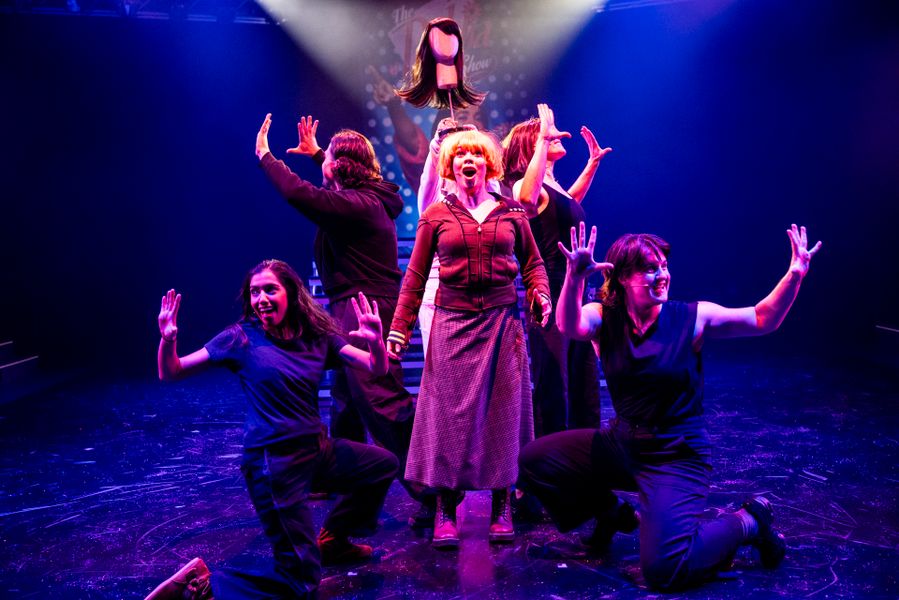
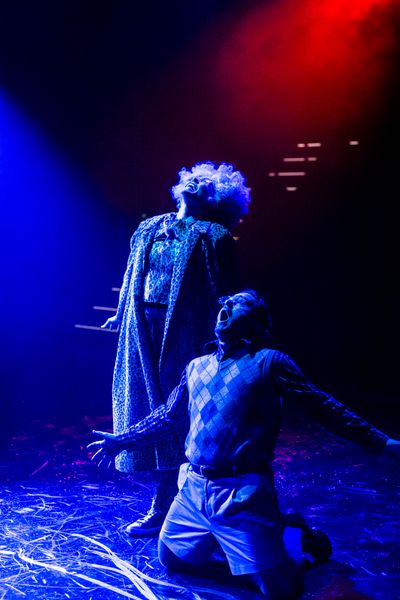
Director Virginia Gay chooses particular moments and plot points to emphasise, through sound, light, and performance. A key example of deliberate focus and emphasis throughout the production comes from the character of Pickle (a mirror of the Weird Sisters). When Pickle channels her prophecies, the light shifts to darkness and stark blue, she throws her head back and with a wide-open mouth, we hear a bloodcurdling scream, evocative of a horror film. When Pickle's prophecy is complete, we snap back to present-day reality and she carries on with the scene, as if nothing happened, to the confusion of Mackenzie and Beau.

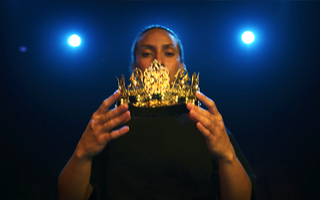
Emphasis is also created throughout the production through the symbolic use of wigs and the deliberate absence of physical death. Wigs are one of the most prominent visual symbols in the production, representing power and status within the television industry. As Mackenzie rises through the ranks of the show, each successive wig becomes increasingly more glamorous, visually signifying her growing influence and importance. The more visually appealing the wig, the greater Mackenzie's authority and prominence, reflecting her transition from an innocent child performer to the show's central star. This symbolic costume choice allows the audience to immediately recognise shifts in the hierarchy of power without the need for dialogue. Much like the crown in Macbeth, the wigs become a visual representation of ambition and status, illustrating that power is something to be displayed as much as it is possessed.

Another significant point of emphasis is the absence of physical death. Unlike Macbeth, where characters are murdered in the pursuit of power, this adaptation replaces literal death with the ‘death’ of careers and public identities. Characters are not always destroyed through violence but through scandal, rejection and cancel culture. Claudette becomes unwatchable because of cystic acne, Dahlia's beauty is destroyed with acid makeup remover, and Beau's career is cancelled due to scandalous allegations. In this world, once a performer is no longer young, beautiful or popular, they are discarded and forgotten.

CONTRAST

Juxtaposition of seemingly different or opposing aspects or qualities within the interpretation.

The production uses contrast to expose the tension between the glamour of celebrity culture and its destructive psychological consequences. While Mackenzie is filled with bright pop music, camp comedy and energetic choreography, these elements are continually juxtaposed with darker theatrical conventions and characterisation. 

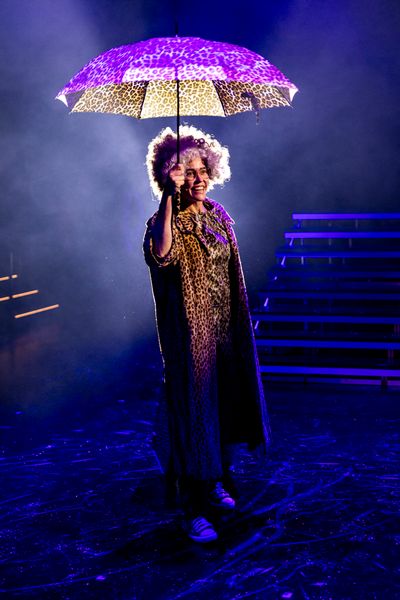
This is evident in Pickle, the eccentric, geriatric makeup artist. Dressed in animal print and grey curly wig, she initially provides comic relief. However, when she sees Mackenzie and Beau, she is struck by a disturbing vision, transforming from an amusing character into an unsettling, animalistic figure. This contrast between humour and foreboding, foreshadows Mackenzie's downfall. 

The adaptation also contrasts Shakespeare's Lady Macbeth with Ruth, who is reimagined as Mackenzie's ambitious stage mother. Unlike Macbeth's equal partner of greatness, Ruth's ruthless pursuit of success stems from her own failed dreams of fame. Rather than seeking power for herself, she pushes Mackenzie to achieve the success she never could, contrasting maternal care with exploitation.

A further contrast exists between Beau and Mackenzie. Both begin as genuine young performers, but while Beau remains grounded and passionate about acting, Mackenzie becomes consumed by a single goal: becoming the world's number one pop star. Their opposing journeys highlight the corrupting influence of ambition, reinforcing the message that the pursuit of fame can come at the cost of identity. 

VARIATION

Changes to the dynamics of the interpretation, as may be evident in the use of tension, conflict, intensity, energy and use of the space.

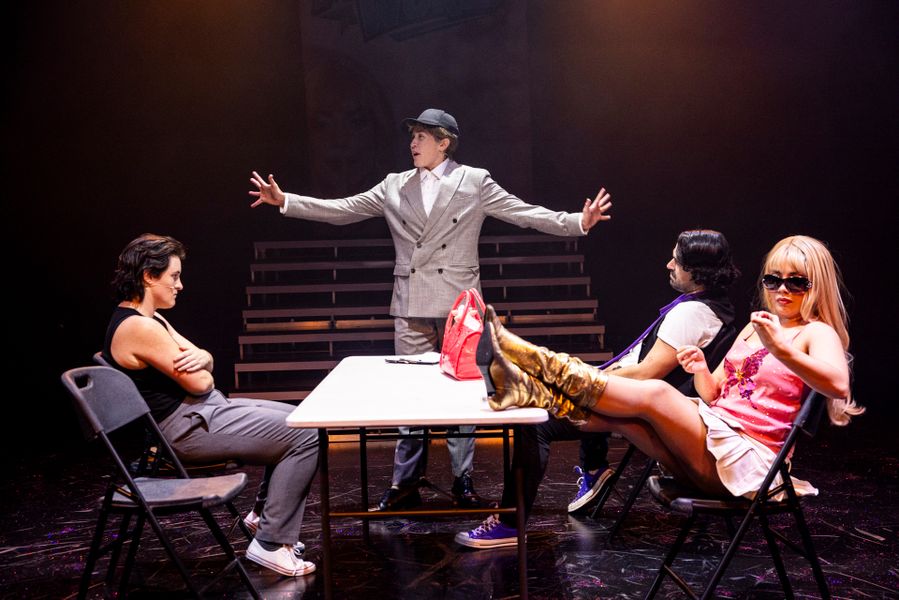
Variation is used throughout Mackenzie to reveal the changing pressures of fame and the emotional cost of ambition. A striking example occurs during the table read, where the cast and creative team sit around a plain beige table with cheap cups and pencils, dressed in muted blacks and greys. The subdued atmosphere is immediately disrupted when Mackenzie arrives late in a hot pink outfit, oversized glasses, carrying a bedazzled drinking cup. This sudden shift in colour, energy and status highlights how celebrity culture places one individual above everyone else, creating tension before any dialogue is spoken. Variation is also evident in the increasing pressure placed on those responsible for maintaining Mackenzie's success.  

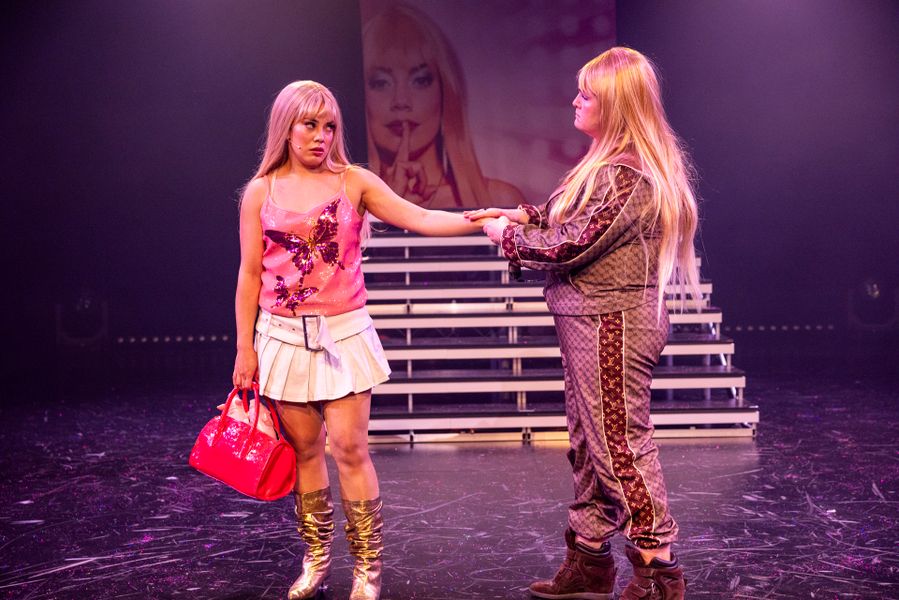
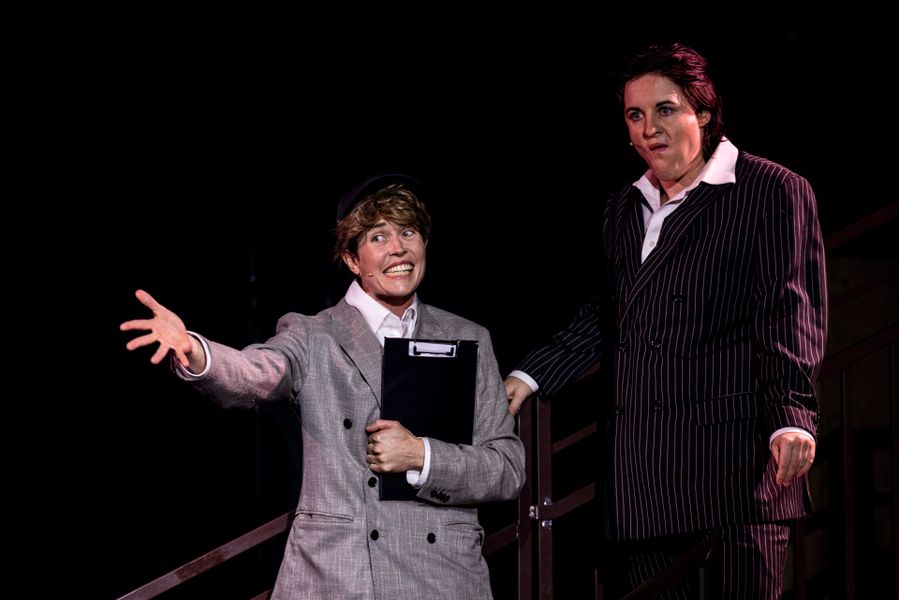
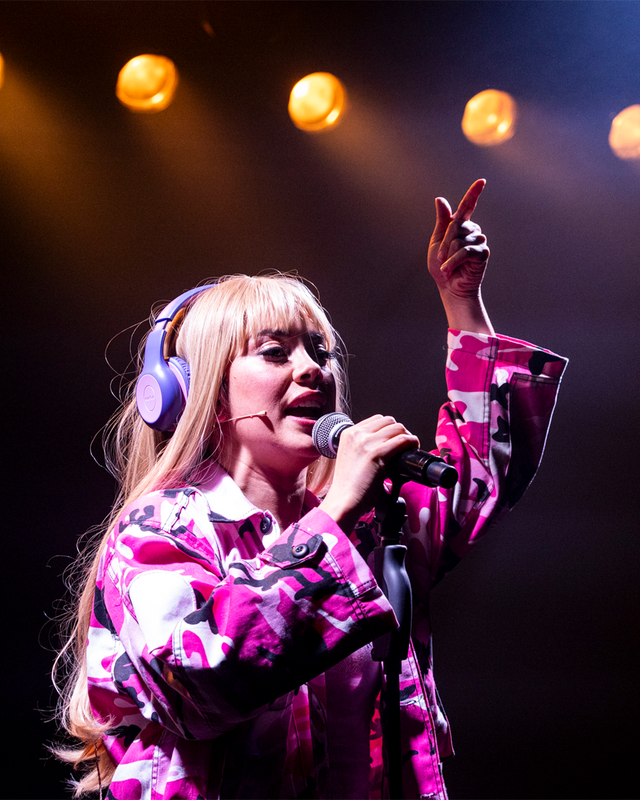
Costume design shows stark differences between characters. While the Network Head and Producer wear muted coloured suits and business shirts (focusing on their pursuit for money), they are a clear point of difference with the costumes of the pop stars on their shows. Mackenzie's pink, sequinned, patterned outfits and blonde hair single her out as designed to be in the spotlight (and focus her pursuit of fame).

Scenes featuring the producer and head of the network intensify as they become consumed with keeping Mackenzie the world's number one pop star, revealing how the entertainment industry exploits not only its young performers but everyone within it. In contrast, Gayle, the adaptation's Macduff, provides moments of warmth and compassion. Her genuine care for both the stars and her kitchen staff of lesbian immigrant single mothers, offers a welcome shift in energy and reminds the audience of the humanity that exists beyond the relentless pursuit of fame.