Bell Shakespeare has seen its fair share of heartache and natural shocks in the 35 years since it began. Though it has faced significant struggles, it is safe to say that it is now a fixture in the Australian arts sector, and by examining its past, we can see how these struggles have not only made their success all the more glorious but are also the reason they are in this position today.
The first of these successes is the level of financial security the company has created. Through their struggles, and with philanthropy as part of their DNA from the beginning, Bell Shakespeare now has an impressive base of supporters who demonstrate extraordinary loyalty, the likes of which is rare in the Australian arts scene.
One of the ways they have achieved this is through a suite of programs that not only encourage support, but provide the company with enrichment, friendship and opportunities to increase access to the works of Shakespeare.
This includes programs like the Artistic Director’s Circle, where the company’s biggest supporters are invited into the creative process behind a production. This is mutually beneficial, providing exclusive creative insights in exchange for significant contributions to the company.
Other programs, like Hearts in a Row, where supporters purchase tickets that can be gifted to people who might not otherwise be able to afford to see a production, are also extremely significant, providing access to Shakespeare performed live for a wider audience.
And of course, education remains central to Bell Shakespeare’s mission and is one of their most impactful activities. This is achieved through programs such as The Players, National Teacher Mentorship, and the John Bell Scholarship.
When considering the impact of Bell Shakespeare and why supporters are proud to be part of it, the consensus is this: what John Bell and the company have created is a thriving arts organisation that has made a significant positive impact on the lives of those involved. Whether through the education programs, the community they’ve created, or their use of Shakespeare’s work to provide insights into the world we live in today, Bell Shakespeare’s impact cannot be denied and is best expressed in the voice of those closest to them.
Virginia Henderson’s comment here is particularly profound when we consider Bell Shakespeare and what it has achieved. Quoting Margaret Mead, she says, “Never doubt that a small group of thoughtful, committed citizens can change the world." For a company that has always worked on limited resources, they have achieved so much. Their impact is wide-reaching and tangible, and the work they have done to make themselves a fixture in the Australian arts sector means this will only continue to grow.

 Bell Shakespeare celebrates 35 years at The True Beauty Gala, 2025. Photo by Katje Ford
 Bell Shakespeare celebrates 35 years at The True Beauty Gala, 2025. Photo by Katje Ford
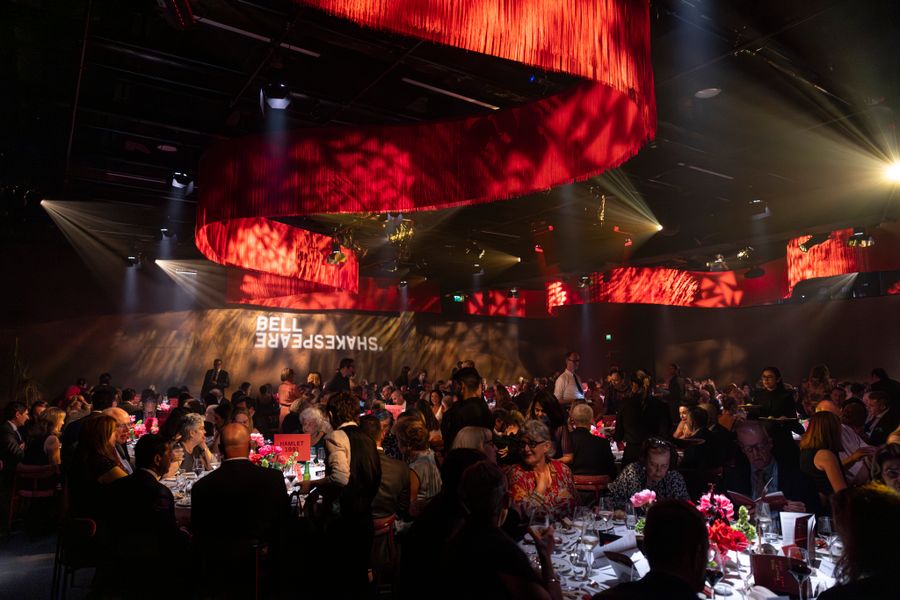 Bell Shakespeare celebrates 35 years at The True Beauty Gala, 2025. Photo by Katje Ford